245 Center St, Unit 2, Auburn, ME 04210

Implant Dentures vs. Traditional Dentures: Which Actually Lasts Longer?
If you are weighing implant dentures vs. traditional dentures in Auburn, you are not alone. Many patients ask Dr. Eric Kessler the same question: which option actually lasts longer? The answer depends on your bone health, lifestyle, and long-term goals. This guide breaks down both options clearly so you can make a confident, informed decision.
Understanding Implant Dentures vs. Traditional Dentures in Auburn
Traditional dentures are removable appliances that rest on your gums. They replace a full arch of missing teeth and are held in place by suction or adhesive. They are a well-known, widely available solution with a lower upfront cost.
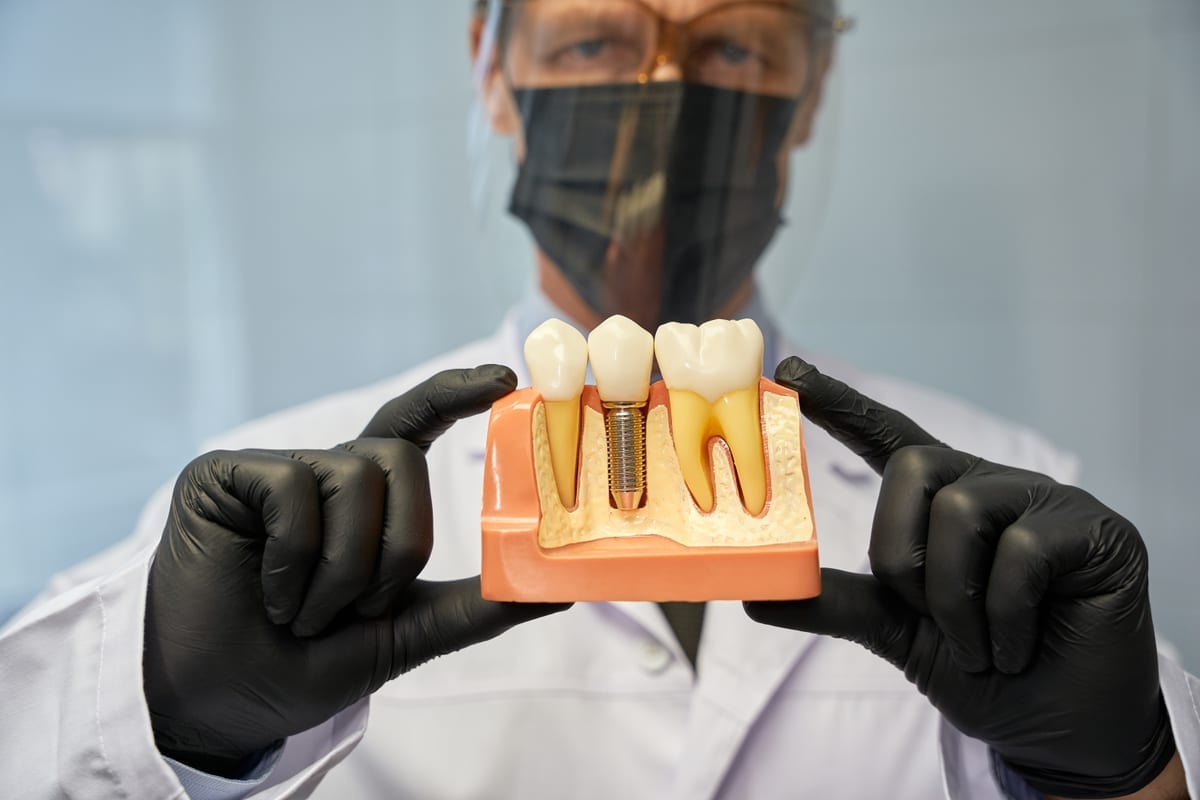
Implant dentures work differently. They attach to titanium posts surgically placed in your jawbone. This creates a stable, secure fit that does not slip or shift. Patients in Auburn increasingly prefer this option for its natural feel and durability.
Understanding these core differences helps frame every other comparison. From longevity to bone health, the two options take very different paths. Let us look at each factor that matters most to patients.
Which Option Actually Lasts Longer?
Traditional dentures typically last five to eight years before needing replacement or relining. Your jawbone changes shape over time after tooth loss. This causes dentures to fit poorly, which leads to discomfort and the need for adjustments.
Implant dentures have a much longer lifespan. The implant posts themselves can last 20 years or more with proper care. The denture portion may need replacement after ten to fifteen years, but the foundation stays strong.
Here is a quick comparison of how each option holds up over time:
- Traditional dentures: 5–8 years before replacement is typically needed
- Implant dentures: Implant posts can last 20+ years with good oral hygiene
- Bone loss: Traditional dentures accelerate bone loss; implants stimulate the jaw
- Fit over time: Traditional dentures loosen; implant dentures stay secure
- Maintenance: Both require daily cleaning, but implant dentures need no adhesive
The long-term math often favors implant dentures. Though the initial investment is higher, fewer replacements and adjustments add up to real savings over a decade.
The Role of Bone Health in Longevity
Bone health is a critical factor in this comparison. When teeth are missing, the jawbone beneath begins to shrink. This process is called resorption, and it happens whether you wear dentures or not.
Traditional dentures sit on top of the gum and do not stop this process. In fact, the pressure they place on the gum can speed up bone loss. Over time, this changes your facial structure and makes dentures fit worse.
Implant posts act like natural tooth roots. They stimulate the jawbone with every bite, which signals the body to maintain bone density. This is why All On 4 Dental Implants Auburn patients often report that their face looks fuller and more youthful years after treatment.
Some patients who have experienced significant bone loss may need a Dental Bone Grafting Auburn procedure before implants can be placed. Dr. Kessler evaluates every patient individually to determine the best path forward.
Which Option Is Right for Your Situation?
Not every patient is an ideal candidate for implant dentures right away. Several factors influence which option makes more sense for you at this stage of your life.
Traditional dentures may be a better starting point if:
- You need a faster or more affordable immediate solution
- Your current bone density is too low for implants without grafting
- You prefer a non-surgical path and are not a good candidate for sedation
- You want time to evaluate your options before committing to a longer process
Implant dentures are likely the better long-term fit if:
- You want a stable, slip-free solution that functions like natural teeth
- You are concerned about ongoing bone loss affecting your appearance
- You are tired of using adhesives or dealing with ill-fitting removable appliances
- You want a longer-lasting investment that reduces future dental costs
Dr. Kessler takes the time to review your dental history, bone density, and health goals before making any recommendation. No two patients in Auburn are the same, and your treatment plan should reflect that.
What the Process Looks Like at Auburn Dentures & Implants
Many patients feel anxious about the implant process. Understanding what to expect can make the journey much easier. Dr. Kessler and his team prioritize patient comfort at every step.
For patients who feel nervous, sedation dentistry options are available. This helps you stay relaxed during longer procedures without feeling overwhelmed. The team at Auburn Dentures & Implants is experienced in making the process as smooth as possible.
The typical implant denture process involves a consultation, imaging, any preparatory work like bone grafting if needed, implant placement, healing time, and final denture attachment. The timeline varies by patient, but Dr. Kessler keeps you informed at every stage.
Traditional dentures move faster from consultation to placement. If you need a quicker solution, that speed is a real benefit worth considering alongside the long-term trade-offs.
Making Your Decision in Auburn
When comparing implant dentures vs. traditional dentures in Auburn, longevity is just one piece of the puzzle. Bone health, comfort, lifestyle, and your overall health all play a role. The best choice is the one that fits your full picture, not just one factor.
Dr. Eric Kessler brings expertise, patience, and genuine care to every consultation at Auburn Dentures & Implants. Whether you are leaning toward implants or want to explore traditional options first, the team is here to guide you without pressure.
Take the first step toward a solution that truly works for you. Book Now to schedule your appointment with our team.
Frequently Asked Questions
How long do implant dentures last compared to traditional dentures?
Implant posts can last 20 years or more with proper care, while the attached denture portion may need replacement after 10–15 years. Traditional dentures typically need replacing every 5–8 years as the jawbone changes shape and fit deteriorates.
Do implant dentures prevent bone loss in the jaw?
Yes. Implant posts stimulate the jawbone with chewing pressure, which signals the body to maintain bone density. Traditional dentures do not provide this stimulation and can actually accelerate bone loss over time.
What if I do not have enough bone for implants?
Dr. Kessler may recommend a bone grafting procedure to build up the jawbone before implants are placed. This preparatory step gives the implants a strong, stable foundation and improves long-term outcomes.
Are implant dentures painful to get?
The procedure involves local anesthesia, and sedation dentistry options are available for patients who feel anxious. Most patients report that the discomfort during recovery is manageable and that the long-term comfort of implant dentures far outweighs the temporary healing period.
Can I get implant dentures if I have worn traditional dentures for years?
Many long-term denture wearers do transition to implant dentures. However, years of bone loss may require a bone grafting evaluation first. Dr. Kessler will assess your current bone health and discuss whether implants are a viable option for you.