245 Center St, Unit 2, Auburn, ME 04210

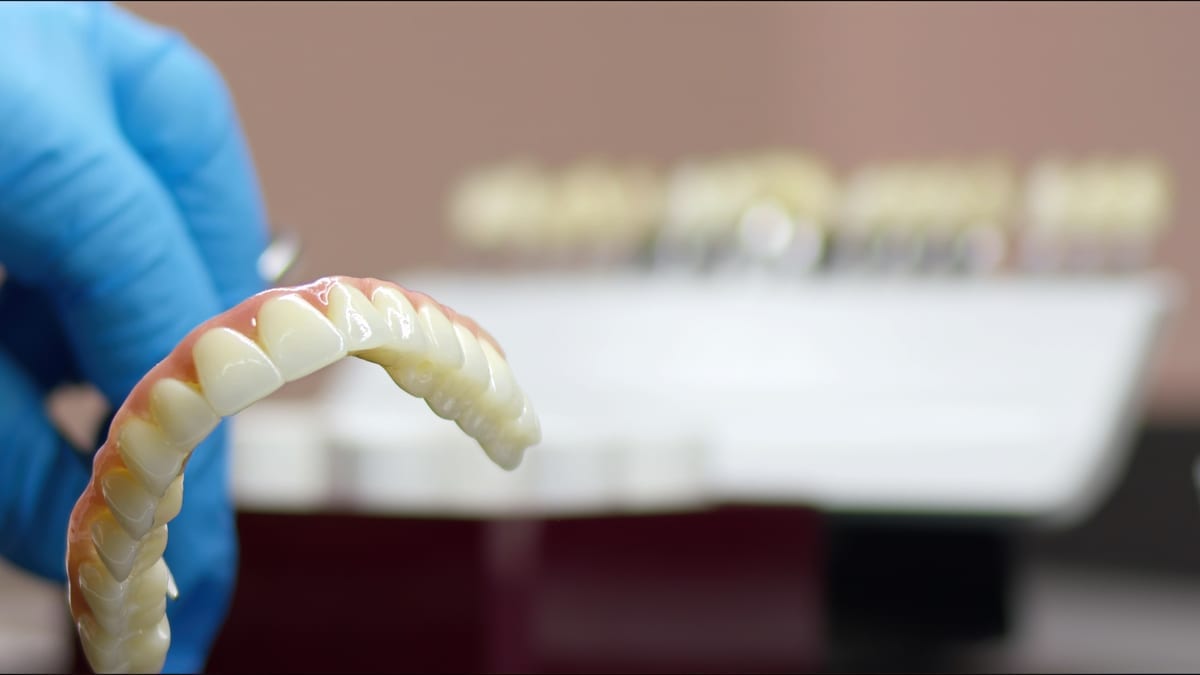
Dentures vs Implants: Which Actually Preserves Your Jawbone Better
If you’re missing teeth in Auburn, you’ve probably asked yourself one big question: dentures or implants? When weighing dentures vs implants and which actually preserves your jawbone better in Auburn, the answer affects far more than your smile. It shapes your long-term health, your comfort, and your quality of life. Dr. Eric Kessler at Auburn Dentures & Implants helps patients understand both options honestly — so you can make the right choice for your unique situation.
Why Jawbone Preservation Matters More Than Most People Realize
Many patients focus on how teeth look or feel. Far fewer consider what happens to the jawbone underneath. When you lose a tooth, the bone that once supported that root begins to shrink. Dentists call this process bone resorption.
Bone resorption happens because the jawbone needs stimulation to stay dense. That stimulation normally comes from tooth roots during chewing. Without roots, the bone gradually loses volume — and that changes everything.
Over time, significant bone loss can alter the shape of your face. It can cause your cheeks to look sunken. It can make it harder to wear dentures comfortably. Understanding this process is central to the dentures vs implants conversation.
How Dentures Affect Your Jawbone Over Time
Dentures are a proven, affordable way to replace missing teeth. They restore your ability to chew and speak, and they can look very natural. However, traditional dentures sit on top of your gums — they don’t replace tooth roots.
Because dentures don’t stimulate the jawbone, bone resorption continues after you get them. Studies show patients can lose a significant amount of jawbone density within the first few years of wearing dentures. This is one of the most important trade-offs to understand.
As bone loss progresses, dentures that once fit well may begin to slip or feel loose. You may need relines or replacements more often than expected. This ongoing cycle is a real cost — both financially and in terms of daily inconvenience.
- Dentures do not stop bone resorption
- Bone loss can cause dentures to fit poorly over time
- Facial structure can change as the jawbone shrinks
- Relines and replacements add long-term costs
- Dentures remain a viable option for many patients with bone loss already present
How Dental Implants Preserve the Jawbone in Auburn Patients
Dental implants work very differently. A titanium post is surgically placed directly into the jawbone. This post acts like a natural tooth root, providing the stimulation the bone needs to stay healthy and dense.
Because implants integrate with the bone — a process called osseointegration — they actively prevent resorption. For Auburn patients focused on long-term oral health, this is the defining advantage of implants over dentures. The bone stays stronger, and your facial structure stays more stable.
Implants also allow you to chew with far greater force and confidence. They don’t slip. They don’t require adhesives. And with proper care, they can last a lifetime.
For patients who have already experienced bone loss, additional treatment may be needed before implants are placed. Dental Bone Grafting Auburn is a procedure that rebuilds lost bone so it can support an implant successfully. Dr. Kessler performs bone grafting right here in Auburn, making the full process convenient for local patients.
- Implants stimulate the jawbone just like natural tooth roots
- Osseointegration prevents bone resorption over time
- Facial structure remains more stable with implants
- Implants can last decades with proper care
- No adhesives or removal required for cleaning
Comparing Cost, Function, and Long-Term Quality of Life
Cost is often the first reason patients lean toward dentures. Traditional dentures do have a lower upfront price. However, the long-term picture is more nuanced than it first appears.
Implants cost more initially, but they typically require far less maintenance over the years. Dentures may need relining, adjusting, or replacing every five to ten years. When you add those costs together, the difference between the two options often narrows significantly over a decade or more.
Function is another key differentiator. Implant patients consistently report being able to eat a wider variety of foods without worry. Denture wearers sometimes avoid hard or chewy foods to prevent slipping. That restriction can affect nutrition and overall enjoyment of meals.
For patients who want the stability of implants but need to replace a full arch of teeth, All On 4 Dental Implants Auburn offers a compelling middle ground. This solution uses just four strategically placed implants to support a full set of replacement teeth — preserving bone while restoring complete function.
Implant Secured Dentures: A Hybrid Solution Worth Knowing
Not every patient is an ideal candidate for full implants right away. Some patients prefer the familiarity of dentures but want more stability. Implant secured dentures — sometimes called implant-supported dentures — combine both approaches.
With this option, two to four implants are placed in the jaw. The denture then snaps onto those implants for a secure fit. The implants still stimulate the bone, slowing resorption compared to traditional dentures. This hybrid option suits patients who want improved stability without the full cost of individual implants for every tooth.
Dr. Kessler discusses all of these options with Auburn patients during a thorough consultation. There is no one-size-fits-all answer — the right choice depends on your bone density, health history, goals, and budget.
Which Option Is Right for You in Auburn?
The honest answer is: it depends on your individual situation. Dentures remain a practical, well-established solution — especially for patients with advanced bone loss or other health factors that complicate surgery. They are not a wrong choice. They are simply a different set of trade-offs.
Implants offer superior bone preservation and long-term stability. For patients who qualify and prioritize function and bone health above all else, they represent the gold standard in tooth replacement. The key is getting a professional evaluation that looks at your specific jawbone health, medical history, and long-term goals.
At Auburn Dentures & Implants, Dr. Eric Kessler provides honest, patient-centered guidance. His goal is to help you understand your options — not to steer you toward the most expensive treatment. If you’re ready to explore the best path forward for your smile and your jawbone, Book Now to schedule your appointment with our team.
Frequently Asked Questions
Do dentures cause jawbone loss over time?
Yes. Traditional dentures rest on the gum surface and do not stimulate the jawbone. Without that stimulation, the bone gradually resorbs — shrinking in volume over the years. This can change your facial appearance and cause dentures to fit poorly over time.
How do dental implants preserve the jawbone?
Implants are titanium posts placed directly into the jawbone. They mimic natural tooth roots by providing stimulation during chewing. This stimulation signals the bone to remain dense and healthy — a process called osseointegration. Implants are the only tooth replacement option that actively prevents bone resorption.
What if I’ve already lost jawbone — can I still get implants?
Many patients who have experienced bone loss can still receive implants after undergoing bone grafting. This procedure rebuilds the bone so it can properly support an implant. Dr. Kessler performs bone grafting at Auburn Dentures & Implants and will evaluate whether you are a candidate during your consultation.
What are implant secured dentures and are they better than traditional dentures for bone health?
Implant secured dentures snap onto two to four dental implants placed in the jaw. Because the implants stimulate the bone, they slow the rate of bone resorption compared to traditional dentures. This option offers better stability and better bone support while remaining more affordable than replacing every tooth with an individual implant.
Is the All-On-4 implant procedure a good option for full arch replacement?
All-On-4 is an excellent option for patients who need to replace all the teeth in one arch. Four strategically angled implants support a full set of fixed replacement teeth. This approach preserves jawbone, restores full chewing function, and typically requires less bone volume than placing individual implants for each tooth.