245 Center St, Unit 2, Auburn, ME 04210

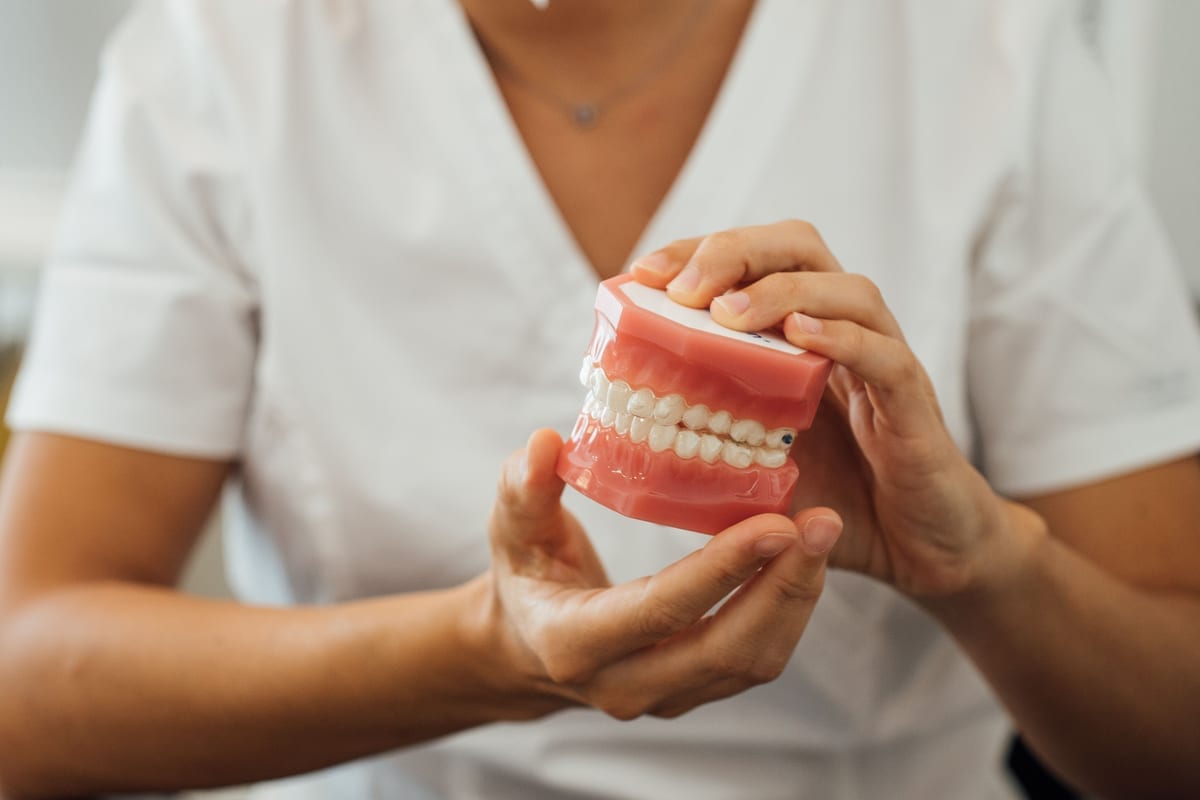
Your Complete Food Roadmap: Eating Well With New Dentures
Getting new dentures is a major step toward restoring your smile and confidence. But many Auburn patients are surprised to learn that eating takes practice too. Your complete food roadmap: eating well with new dentures in Auburn starts here — with practical advice you can use from day one. Dr. Eric Kessler and the team at Auburn Dentures & Implants are here to guide you every step of the way.
The adjustment period is real, but it does not last forever. Most patients find that within four to eight weeks, eating feels much more natural. Understanding what to expect makes that transition smoother and far less frustrating.
Week One: Starting Your Eating Journey With New Dentures in Auburn
The first week with dentures is all about letting your gums heal and adapt. Your mouth is adjusting to something entirely new. Stick to soft, easy-to-manage foods during this phase.
Good choices for the first week include:
- Smooth yogurt and pudding
- Mashed potatoes with gravy
- Scrambled eggs or soft-boiled eggs
- Oatmeal and cream of wheat
- Pureed soups and broths
- Soft fish like tilapia or cod
- Applesauce and ripe bananas
Cut everything into very small pieces, even soft foods. Chew slowly and use both sides of your mouth equally. This distributes pressure evenly and helps keep your dentures stable. Avoid hot beverages at first — your gum sensitivity may be heightened.
Do not panic if eating feels awkward. That is completely normal. Every Auburn denture wearer goes through this learning curve.
Foods to Avoid Permanently With Dentures
Some foods pose ongoing challenges for denture wearers. Knowing which ones to avoid permanently protects your dentures and your comfort. This is a key part of your complete food roadmap for eating well with new dentures.
Permanently avoid or approach with great caution:
- Sticky foods — caramel, taffy, and gummy candies can dislodge dentures instantly
- Hard foods — raw carrots, hard candy, and ice can crack denture material
- Tough meats — steak and jerky require biting force dentures cannot fully replicate
- Corn on the cob — biting into cobs applies uneven pressure and lifts dentures
- Whole nuts — these can shift or damage your denture base
- Seedy foods — small seeds can slip under dentures and cause painful irritation
- Crusty breads — thick crusts require significant biting pressure
You do not have to give up flavor or variety. Many of these foods have delicious alternatives. Nut butters replace whole nuts beautifully. Tender slow-cooked meats replace tough cuts. Small adaptations make a big difference in daily enjoyment.
How Your Diet Expands Over the Following Weeks
Most patients see real progress between weeks two and eight. Your mouth adapts, your muscles learn new patterns, and your confidence grows. During this phase, you can begin introducing a wider variety of foods.
Weeks two through four, try adding:
- Soft-cooked pasta and rice
- Flaky fish and tender chicken
- Cooked vegetables like steamed broccoli or roasted zucchini
- Soft bread without thick crusts
- Ripe avocado and soft cheeses
By weeks five through eight, most Auburn patients can enjoy a nearly normal diet. You will likely manage lean meats, cooked grains, and a wide range of fruits and vegetables. Always cut food into small pieces and chew evenly on both sides.
Progress is not always perfectly linear. Some days feel easier than others. Be patient with yourself and celebrate small wins along the way.
Tips for Eating Comfortably and Confidently Every Day
Beyond what you eat, how you eat matters enormously. A few daily habits make a meaningful difference for denture wearers in Auburn.
Start each meal by taking small bites. Do not try to bite with your front teeth the way you might have with natural teeth. Instead, place food on both sides of your mouth simultaneously. This balances the denture and prevents tipping.
Drink water throughout meals. It keeps your mouth moist and helps you manage food more comfortably. Dry mouth can make chewing harder and increase irritation around your gum line.
Use a good denture adhesive if your dentist recommends it. Adhesive adds a layer of stability — especially useful during the early weeks. Apply it according to package directions and clean your dentures thoroughly each night.
If you experience persistent sore spots, contact Dr. Kessler promptly. Minor adjustments to your denture fit resolve most irritation issues quickly. Do not wait and suffer — small fixes prevent bigger problems.
Exploring Implant-Supported Options for Better Eating
If you find that dentures consistently limit your food choices, implant-supported options may be worth exploring. Many Auburn patients transition to implant-secured solutions for greater stability and comfort at mealtimes.
All On 4 Dental Implants Auburn offer a full-arch restoration anchored securely to four implants. This dramatically improves chewing power and eliminates many of the dietary restrictions traditional denture wearers face. Patients often describe eating as feeling much more natural with this option.
Some patients require Dental Bone Grafting Auburn before implant placement. Bone grafting rebuilds the jaw foundation needed to support implants successfully. Dr. Kessler evaluates each patient individually to determine the best path forward.
Implant-supported solutions are an investment in long-term quality of life. For many Auburn patients, the ability to eat freely and confidently is worth every step of the process.
Conclusion: Your Next Step Toward Confident Eating
Adjusting to new dentures takes time, patience, and the right guidance. Starting with soft foods, avoiding damaging choices, and gradually expanding your diet sets you up for long-term success. Auburn Dentures & Implants is proud to support every patient through this journey — from the first soft meal to a confident, varied diet. Book Now to schedule your appointment with our team.
Frequently Asked Questions
How long does it take to eat normally with new dentures?
Most patients adjust to eating with new dentures within four to eight weeks. The first week focuses on very soft foods. By weeks five through eight, most people can enjoy a nearly normal diet with a few ongoing precautions.
Can I eat meat with dentures?
Yes, but choose tender options. Slow-cooked chicken, flaky fish, and ground meats work well. Tough cuts like steak or jerky are difficult and can dislodge or stress your dentures. Cutting meat into very small pieces also helps significantly.
What should I do if my dentures hurt when I eat?
Mild soreness is normal in the first few weeks as your gums adapt. However, persistent or sharp pain is a sign that your dentures need adjustment. Contact Dr. Eric Kessler at Auburn Dentures & Implants promptly — small adjustments usually resolve the issue quickly.
Are implant-secured dentures better for eating?
Many patients find implant-secured dentures significantly improve their eating experience. They provide greater stability and chewing power than traditional dentures. This allows for a wider, more comfortable diet. Dr. Kessler can help you determine whether this option suits your needs.
Can I eat with denture adhesive?
Yes, denture adhesive is designed to be used during eating. It adds stability and helps prevent dentures from shifting during meals. Use only the amount recommended on the product label, and clean your dentures and gums thoroughly each night.